
Starting a Beehive in Your Backyard: Backyard Beekeeping Basics

Starting a beehive in your backyard is one of the most rewarding experiences you can have. I still remember the first time I opened my hive and saw the busy bees working together. It felt like stepping into a tiny, buzzing city full of life and purpose. If you’ve ever thought about keeping bees, you’re in the right place. I’m here to share some beginner tips that will help you get started confidently and sustainably.
Understanding Backyard Beekeeping Basics
Before diving into the practical steps, it’s important to understand what backyard beekeeping really involves. It’s not just about honey; it’s about supporting local ecosystems and helping pollinators thrive. Bees play a crucial role in pollinating plants, which benefits your garden and the environment.
When I first started, I focused on learning the basics: the types of bees, the hive structure, and the equipment needed. You’ll want to choose a hive type that suits your space and climate. The Langstroth hive is popular for beginners because it’s easy to manage and expand.
Here are some essentials to keep in mind:
Location: Pick a sunny spot with some afternoon shade. Bees like warmth but need protection from harsh midday sun.
Water source: Bees need water nearby, so a birdbath or shallow dish with stones works well.
Neighbors: Let your neighbors know about your hive. Most people are curious and supportive once they understand the benefits.
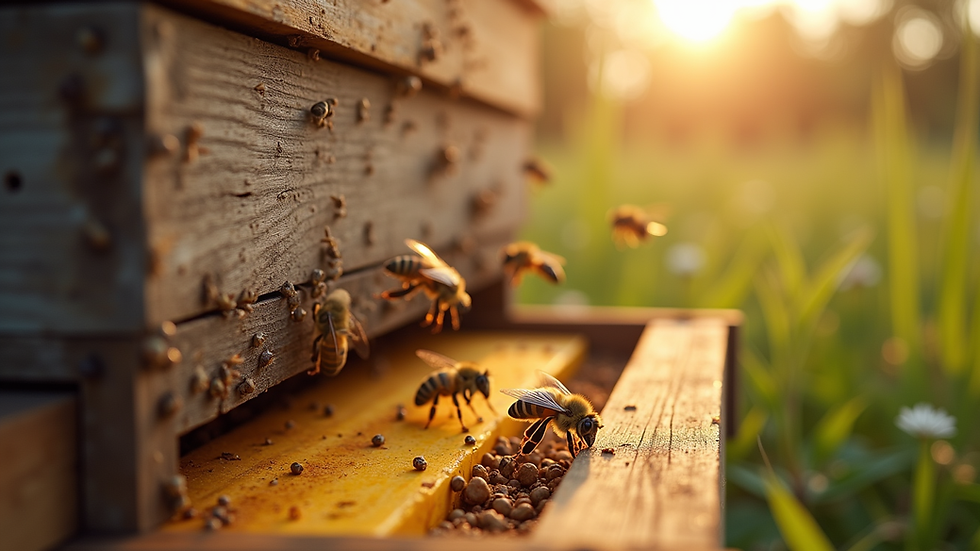
Getting Your Equipment Ready
Once you understand the basics, it’s time to gather your equipment. You don’t need to buy everything at once, but here’s a checklist to get you started:
Hive boxes and frames - These house your bees and honeycombs.
Protective gear - A veil, gloves, and a suit will keep you safe.
Hive tool - This handy tool helps you pry apart frames.
Smoker - It calms the bees when you inspect the hive.
Bee brush - For gently moving bees off frames.
When I bought my first hive, I was surprised at how simple the setup was. The key is to be patient and gentle with your bees. They respond well to calm, slow movements.
What is the 7/10 Rule in Beekeeping?
One of the most helpful guidelines I learned early on is the 7/10 rule. It’s a simple way to decide where to place your hive for optimal bee activity and safety.
The rule says: place your hive 7 feet away from property lines or walkways and 10 feet away from doors, windows, or areas where people gather. This distance helps reduce conflicts between bees and people, especially during peak foraging times.
Following this rule has made my beekeeping experience much smoother. It gives the bees enough space to fly in and out without disturbing anyone, and it keeps my neighbors happy.
How to Start a Beehive in Your Backyard: Step-by-Step
Now, let’s get practical. If you’re wondering how to start a beehive in your backyard, here’s a straightforward plan to follow:
Research local regulations - Some areas require permits or have restrictions on beekeeping.
Choose your hive location - Use the 7/10 rule and consider sun, wind, and water.
Buy your hive and bees - You can order a package of bees or a nucleus colony from a local supplier.
Set up your hive - Assemble the boxes and frames, then place the hive in your chosen spot.
Install your bees - Transfer the bees into the hive carefully, following supplier instructions.
Inspect regularly - Check your hive every 7-10 days to monitor health and growth.
Feed if necessary - In early spring or late fall, supplemental feeding might be needed.
Starting your hive is exciting but requires commitment. I recommend joining a local beekeeping club or online forum for support and advice.

Tips for Healthy Bees and a Thriving Hive
Keeping your bees healthy is the key to a successful hive. Here are some tips I’ve learned through experience:
Avoid pesticides in your garden and nearby areas.
Plant bee-friendly flowers that bloom throughout the season.
Provide clean water and keep it refreshed.
Watch for pests and diseases like varroa mites and foulbrood.
Harvest honey responsibly - never take too much, especially in the first year.
Remember, bees are sensitive creatures. If you notice unusual behavior or a drop in activity, don’t hesitate to reach out to experienced beekeepers or local extension services.
Growing Your Backyard Beekeeping Journey
Starting a beehive is just the beginning. Over time, you’ll learn to read your bees’ behavior, manage swarms, and maybe even expand to multiple hives. The joy of harvesting your own honey and seeing your garden flourish is unmatched.
If you want to dive deeper into the process, check out this helpful guide on how to start a beehive in your backyard for detailed steps and local resources.
By nurturing your bees, you’re contributing to a healthier environment and a sweeter future. Happy beekeeping!
If you’re ready to take the plunge, remember that patience and care are your best tools. Your backyard can become a buzzing haven for bees and a source of natural honey for your family. Keep learning, stay curious, and enjoy every moment with your new hive.


Comments