
Beekeeping: Managing Your Colonies to Prevent Swarming

Updated: Sep 14
Why Monitoring Beehive Populations Matters
Bee colonies grow rapidly during the spring and early summer. A healthy queen lays thousands of eggs, while the worker bees care for the brood and gather nectar and pollen. If the colony becomes too crowded, the bees may feel the need to swarm. Swarming is a natural reproductive process for bees, but it can be problematic for beekeepers.
Monitoring population growth helps beekeepers:
Detect overcrowding early: Overcrowding is the main trigger for swarming. When bees run out of space for brood and honey storage, they prepare to leave.
Assess hive health: A growing population usually indicates a strong, healthy colony. Conversely, a declining population may signal disease or queen problems.
Plan hive management: Knowing the colony size helps beekeepers decide when to add new boxes or take other actions to support the bees.
Regular inspections every 7 to 10 days during the active season allow beekeepers to track brood patterns, food stores, and overall population. This hands-on approach provides valuable insights into the hive’s condition.
How Adding New Boxes Prevents Swarming
Adding new boxes, often called supers or brood boxes, gives the colony more space to expand. This extra room reduces crowding and the urge to swarm. Here’s how it works:
More space for brood: The queen needs room to lay eggs. Adding a new brood box lets her continue expanding the colony without restriction.
Additional honey storage: Worker bees store nectar and honey in the upper boxes. Extra storage prevents congestion in the lower boxes.
Improved ventilation and temperature control: More space helps regulate hive temperature and airflow, which supports healthy brood development.
Beekeepers usually add a new box when the current boxes are nearly full of brood or honey. Waiting too long can lead to swarming preparations, like queen cells forming. Adding boxes early keeps the colony comfortable and productive.
Signs That Indicate It’s Time to Add a New Box
Knowing when to add a new box is crucial. Some clear signs include:
Frames filled with brood or honey: When most frames in the current box are occupied, it’s time to expand.
Queen cells appearing: These are a warning that the colony is preparing to swarm.
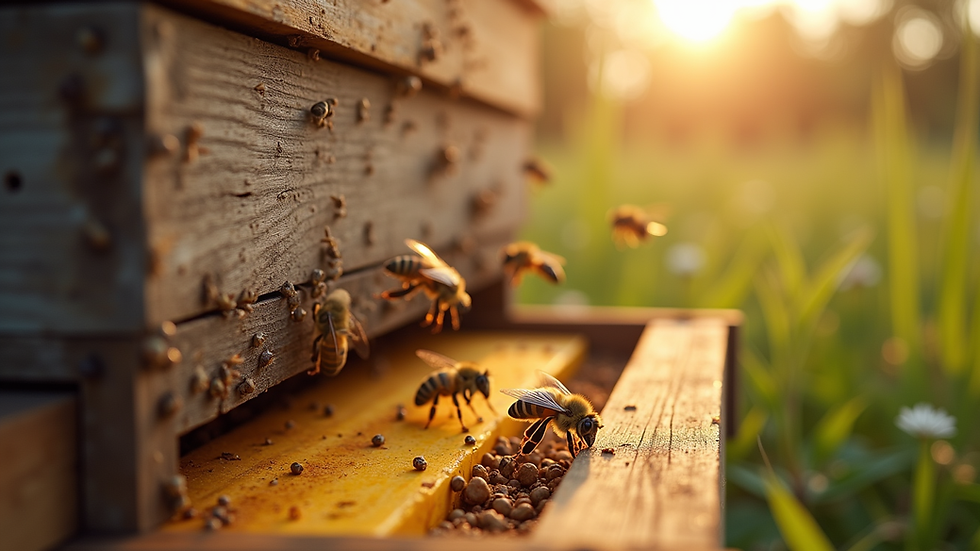
Increased bee activity at the hive entrance: More bees coming and going can mean the colony is growing fast.
Reduced space for movement inside the hive: Bees may cluster tightly, signaling overcrowding.
By responding to these signs promptly, beekeepers can prevent swarming and maintain hive productivity.
Practical Tips for Monitoring and Adding Boxes
Here are some practical steps to manage hive growth effectively:
Schedule regular hive inspections: Check every week or ten days during peak season.
Use a hive tool and smoker: These help you open the hive safely and calm the bees.
Look for brood patterns and food stores: Healthy brood should be consistent and well-covered by worker bees.
Add boxes gradually: Place new boxes on top of existing ones to encourage upward expansion.
Mark the queen: Knowing her location speeds up inspections and reduces disturbance.
Keep records: Note dates of inspections, population size, and any interventions.
These habits build a strong foundation for successful beekeeping.
The Consequences of Ignoring Population Growth
Failing to monitor and manage hive populations can lead to:
Swarming and loss of bees: The colony splits, reducing honey production and requiring time to rebuild.
Reduced honey yields: Overcrowded bees spend more energy preparing to swarm than gathering nectar.
Increased risk of disease: Crowded conditions can promote the spread of pests and illnesses.
Stress on the queen: Limited space can affect her egg-laying capacity and overall hive morale.
Preventing these issues protects the beekeeper’s investment and supports local ecosystems.
Supporting Colony Growth Beyond Adding Boxes
While adding boxes is essential, other practices also help maintain healthy colonies:
Provide adequate forage: Ensure bees have access to diverse flowers for nectar and pollen.
Manage pests and diseases: Regularly check for mites, beetles, and fungal infections.
Replace old queens: A young, vigorous queen supports strong population growth.
Maintain hive cleanliness: Remove debris and dead bees to reduce disease risk.
Combining these strategies with population monitoring creates a thriving environment for bees.
The Importance of Community in Beekeeping
As beekeepers, we often find ourselves in a unique position to educate others about the importance of bees. Sharing knowledge can help promote sustainable practices. When we work together, we create a supportive network that benefits everyone involved.
Consider hosting workshops or open hives to engage with the community. This not only spreads awareness but also fosters a sense of belonging among local beekeepers.
In conclusion, managing bee populations is essential for successful beekeeping. By monitoring growth and adding boxes when necessary, we can prevent swarming and maintain healthy colonies. Remember, every small action counts in supporting our buzzing friends.
For those looking to start their own hives, I encourage you to explore resources and connect with local experts. Together, we can ensure a bright future for bees in our communities.


Comments